Introduction
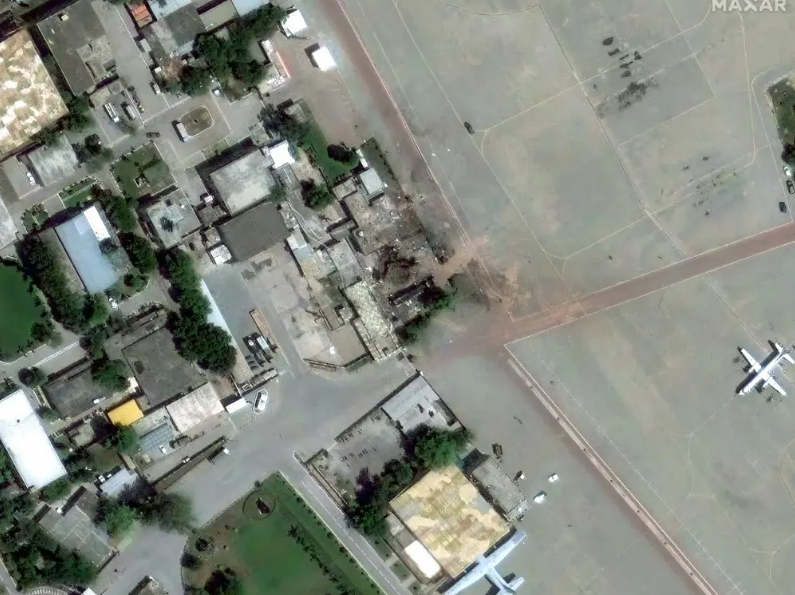
A recent internal report by the Pakistan Air Force (PAF) has revealed the extent of damage caused by the Indian Air Force’s (IAF) strikes during “Operation Sindoor.” The findings, reported by The Sunday Guardian, show that India’s limited but precise air operations significantly impacted Pakistan’s military infrastructure, especially its air force bases and electronic warfare capabilities.
Background
Before this internal report, the damage assessment was mostly based on satellite imagery and open-source intelligence. Now, for the first time, internal documents from Pakistan’s own air force confirm that the IAF’s attacks destroyed or damaged several high-value targets, including airbases, command centers, communication systems, and power grids.
Key Airbases Damaged
According to the internal report, multiple key airbases of the Pakistan Air Force were affected. These include:
- Noor Khan Airbase in Rawalpindi
- MM Alam Airbase in Lodhran
- Faisal Airbase in Karachi
- Mushaf Airbase in Sargodha
- Minhas Airbase in Kamra
- Masroor Airbase in Karachi
- Islamabad Airbase, and
- The Air Force Headquarters Central Command Center in Islamabad
These airbases play a critical role in Pakistan’s defense, and damage to them significantly reduces the country’s air warfare preparedness.
Damage to Aircraft and Equipment
The internal report mentions that several high-value aircraft and systems were also affected. These include:
- AW-139 helicopters
- Dassault Falcon DA-20 electronic warfare jets
The DA-20, operated by the 24 Squadron “Blinders” of the PAF, is specifically designed for electronic warfare. It can jam or lock enemy radar and aircraft systems. The reported damage to these aircraft suggests a serious blow to Pakistan’s electronic warfare capability.
Impact on Electronic Warfare and Power Infrastructure
The report highlights that MM Alam Airbase’s entire electronic warfare system has been rendered non-functional. Other bases also reported the failure of advanced technological communication systems.
Furthermore, the damage wasn’t limited to aircraft and buildings. Pakistan’s internal power infrastructure used by the air force has also suffered. Many bases, including Noor Khan, MM Alam, and Faisal, have requested mobile power generators of 500 KVA and 45 KVA capacity. These field-level generators are typically used when permanent infrastructure is damaged or destroyed.
Noor Khan Airbase Hit the Hardest
The Sunday Guardian’s assessment of the report claims that the Noor Khan Airbase in Rawalpindi has suffered the most severe damage. Its entire digital network has collapsed. The airbase has requested urgent restoration tools, including:
- High-end Intel i9 processors
- Nvidia A6000 GPUs
- Servers, RAID storage systems, and network controllers
These are essential for mission planning, data processing, and cyber defense systems.
Requests for Restoration and Repairs
Other airbases like Mushaf, Minhas, and Islamabad have also made similar requests. Notably, Minhas Airbase, which houses sophisticated military assets, has sought:
- CNC machines
- Welding machines
- Hydraulic presses
These tools are crucial for repairing aircraft airframes and other technical components. The list of requested equipment and systems points to the significant material and technological loss suffered by the Pakistan Air Force.
Conclusion: A Strategic Message
Though India’s Operation Sindoor was a limited military action, the damage it caused to Pakistan’s air defense systems and infrastructure was substantial. The internal report confirms what was earlier assumed through indirect sources – India’s strike capability is accurate and potent.
The operation has also sent a clear strategic message: if such limited strikes can cause so much damage, a full-scale Indian military response could lead to even more devastating consequences for Pakistan. It reflects India’s growing military precision and its willingness to take bold steps when required.
Final Thoughts
This report serves as a wake-up call for the Pakistan military establishment. It also strengthens India’s position on the global stage, showing that it can carry out highly targeted, effective strikes while minimizing collateral damage. For the common public, it shows how modern warfare is no longer just about ground battles but also about electronic dominance, communication disruption, and cyber warfare capabilities.
Discover more from CRISA
Subscribe to get the latest posts sent to your email.