India’s Kaveri Jet Engine Tests in Russia: A Leap Toward Aerospace Self-Reliance
HomeCommentaryIndia’s Kaveri Jet Engine Tests in Russia: A Leap Toward Aerospace Self-Reliance
Explore India’s Kaveri jet engine tests in Russia, a key step toward self-reliance in aerospace. Learn about the engine’s features, challenges, and its role in powering Tejas, AMCA, and stealth drones.
India’s quest for self-reliance in defense technology has reached a significant milestone with the ongoing flight testing of the Kaveri jet engine in Russia. Developed by the Defence Research and Development Organisation (DRDO) through its Gas Turbine Research Establishment (GTRE), the Kaveri engine represents a bold step toward reducing India’s dependence on foreign suppliers for critical military hardware. This commentary explores the significance of these tests, the challenges faced in the program, the engine’s technical specifications, its potential applications, and the broader implications for India’s aerospace ambitions.
The Significance of Testing in Russia
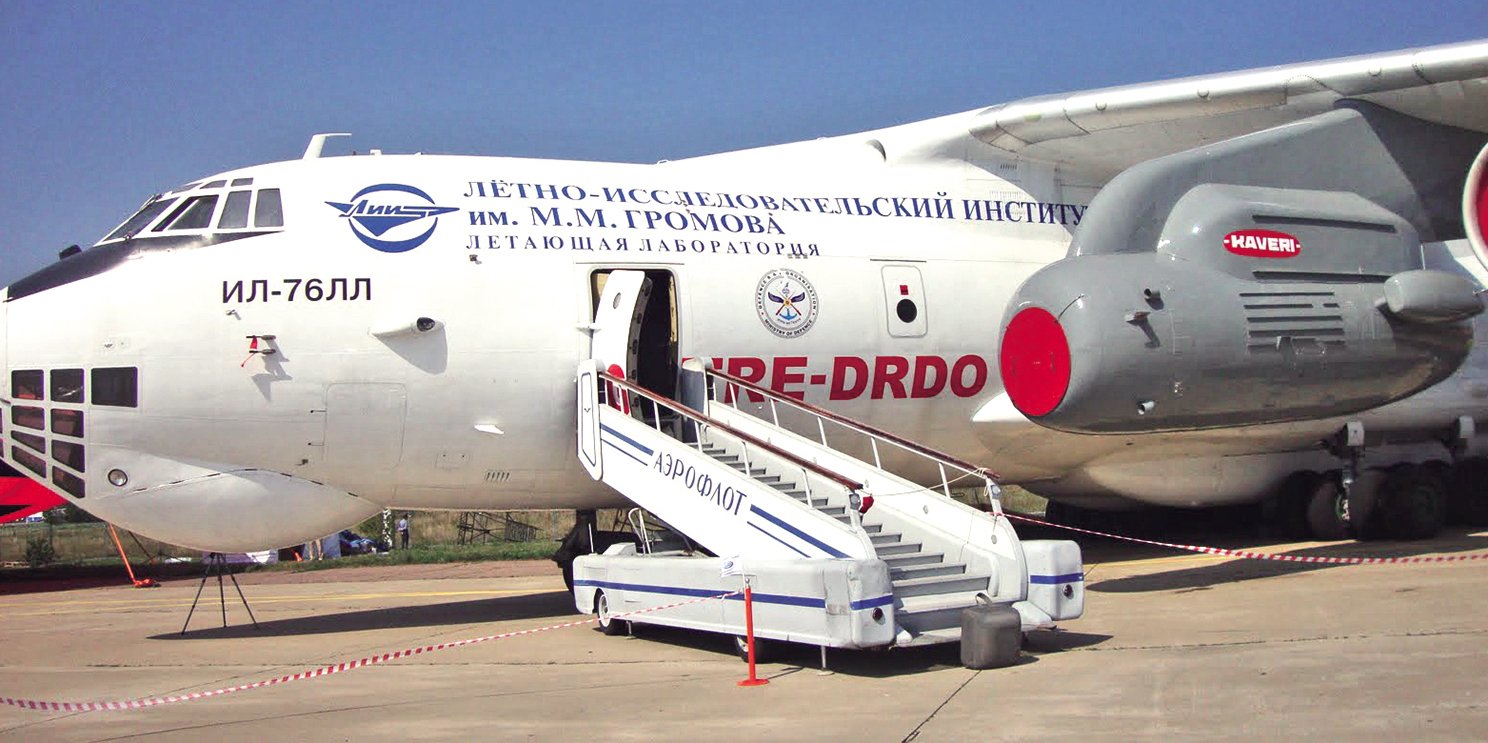
The decision to conduct flight testing of the Kaveri engine in Russia underscores both the complexity of jet engine development and India’s strategic partnerships in this domain. Russia, one of only four countries globally with the expertise to manufacture fighter jet engines, provides a sophisticated testing infrastructure that India currently lacks. The collaboration allows DRDO to leverage Russia’s advanced facilities to assess the Kaveri engine’s performance under real-world conditions, a critical step in validating its reliability, efficiency, and combat readiness.
According to DRDO officials, approximately 25 hours of flight testing remain to be completed. These tests are scheduled based on the availability of testing slots, highlighting the logistical challenges of coordinating such high-stakes trials abroad. The primary objective is to evaluate the engine’s performance in dynamic flight scenarios, ensuring it can withstand the stresses of high-speed maneuvers, extreme temperatures, and varying altitudes. Once these tests are successfully completed, the Kaveri engine is slated for integration into a Light Combat Aircraft (LCA), such as the Tejas, to demonstrate its operational capabilities.
The Kaveri Engine: A Technical Overview
The Kaveri is a low-bypass, twin-spool turbofan engine designed to deliver 80 kiloNewtons (kN) of thrust. This level of thrust positions it as a viable powerplant for light to medium combat aircraft. A standout feature of the engine is its Full Authority Digital Engine Control (FADEC) system, which provides precise, twin-lane control for enhanced reliability and performance. The FADEC system ensures optimal engine operation by automatically adjusting parameters like fuel flow and thrust in response to real-time flight conditions.
Another innovative aspect of the Kaveri engine is its flat-rated design, which mitigates power loss at high speeds and temperatures. In jet engines, thrust typically decreases as ambient temperatures rise or as the aircraft operates at higher altitudes. By fixing the thrust limit below its maximum potential, the Kaveri maintains consistent performance across a wide range of conditions, a critical requirement for combat aircraft operating in diverse environments, such as India’s varied terrain and climate.
The engine’s development also reflects India’s ambition to power advanced platforms beyond manned aircraft. The Kaveri is being redesigned to increase its thrust for use in India’s long-range, stealth-capable unmanned aerial vehicle (UAV), also known as the Ghatak stealth drone. This adaptation underscores the engine’s versatility and its potential to support India’s evolving defense needs, including next-generation unmanned systems.
Historical Context and Challenges
The Kaveri engine program, initiated in the 1980s, was originally intended to power the indigenous LCA Tejas. However, significant delays and technical challenges led to the adoption of the American GE-404 engine for the Tejas program. Developing a jet engine is an extraordinarily complex endeavor, as evidenced by the fact that only four countries—America, Britain, France, and Russia—have mastered this technology in the 95 years since the jet engine was first patented in 1930. Even China, despite its advancements, relies heavily on reverse-engineered designs and continues to procure engines from Russia for its fighter jets.
The complexity of jet engine manufacturing is staggering. A single engine, such as those used in civilian aircraft like the Boeing 747, can comprise up to 40,000 individual components. These components must operate cohesively at extreme temperatures, often exceeding 1,400 degrees Celsius—close to the melting point of iron (1,538 degrees Celsius). Ensuring durability and performance under such conditions requires cutting-edge materials, precision engineering, and rigorous testing. For India, a nation with a developing aerospace industry, overcoming these challenges is a monumental task that demands both innovation and international collaboration.
Future Applications and Kaveri 2.0
Looking ahead, DRDO is already planning for the next iteration of the engine, dubbed Kaveri 2.0. This upgraded variant aims to deliver 90 kN of thrust, making it suitable for powering advanced aircraft like the Tejas Mark 1A, which is currently equipped with the GE-404 engine. The transition to Kaveri 2.0 is targeted for post-2035, a timeline that reflects the long-term nature of jet engine development. GTRE has sought funding to support this ambitious project, underscoring the financial and technical commitment required to bring it to fruition.
Beyond the Tejas, the Kaveri engine is also being eyed for India’s Advanced Medium Combat Aircraft (AMCA), a fifth-generation stealth fighter under development. To meet the AMCA’s demanding requirements, DRDO is collaborating with a foreign firm—likely Safran of France, given prior partnerships—to develop a more powerful engine. This collaboration highlights India’s pragmatic approach to balancing indigenous innovation with foreign expertise to achieve its strategic goals.
Strategic Implications for India
The Kaveri engine program is a cornerstone of India’s broader push for self-reliance in defense manufacturing, encapsulated in the “Make in India” initiative. The ability to produce indigenous jet engines would reduce India’s reliance on foreign suppliers, enhance strategic autonomy, and bolster national security. Currently, India’s defense imports, including engines for the Tejas and other platforms, represent a significant financial and geopolitical burden. An indigenous engine would not only save costs but also insulate India from supply chain disruptions and export restrictions imposed by foreign governments.
Moreover, the Kaveri engine’s development positions India as an emerging player in the global aerospace industry. While only four nations currently possess the technology to build fighter jet engines, India’s progress could inspire other developing nations to pursue similar ambitions. The program also fosters technological spillovers, driving advancements in materials science, electronics, and manufacturing that can benefit civilian industries.
Challenges and the Path Forward
Despite its promise, the Kaveri program faces significant hurdles. The technical complexity of jet engine development requires sustained investment, skilled manpower, and access to cutting-edge technologies. India’s aerospace ecosystem, while improving, still lags behind global leaders in terms of infrastructure and expertise. The reliance on foreign testing facilities, as seen in the current trials in Russia, underscores the need for India to develop its own advanced testing infrastructure to accelerate future programs.
Additionally, the timeline for Kaveri 2.0 and its integration into platforms like the Tejas Mark 1A extends beyond a decade, highlighting the long gestation period of such projects. To bridge this gap, India must continue to leverage international partnerships while simultaneously building domestic capabilities. Collaborations with countries like France and Russia provide valuable technical know-how, but India must prioritize technology transfer and skill development to achieve true self-reliance.
Conclusion
The flight testing of the Kaveri jet engine in Russia marks a pivotal moment in India’s journey toward aerospace self-reliance. While challenges remain, the program’s progress reflects India’s determination to join the elite group of nations capable of producing advanced jet engines. The Kaveri engine’s potential applications in the Tejas, AMCA, and stealth UAVs underscore its strategic importance, while its technical innovations highlight India’s growing engineering prowess. As DRDO continues to refine the engine and plan for Kaveri 2.0, the program serves as a testament to India’s ambition to secure its place in the global aerospace arena, balancing indigenous innovation with strategic international cooperation.
Visited 8 times, 1 visit(s) today
Discover more from CRISA
Subscribe to get the latest posts sent to your email.
All material appearing on the CRISA website ("content") is protected by copyright under Indian Copyright laws and is the property of CRISA. You may not copy, reproduce, distribute, publish, display, perform, modify, create derivative works, transmit, or in any way exploit any such content, nor may you distribute any part of this content over any network, including a local area network, sell or offer it for sale, or use such content to construct any kind of database.
Discover more from CRISA
Subscribe now to keep reading and get access to the full archive.


India’s quest for self-reliance in defense technology has reached a significant milestone with the ongoing flight testing of the Kaveri jet engine in Russia. Developed by the Defence Research and Development Organisation (DRDO) through its Gas Turbine Research Establishment (GTRE), the Kaveri engine represents a bold step toward reducing India’s dependence on foreign suppliers for critical military hardware. This commentary explores the significance of these tests, the challenges faced in the program, the engine’s technical specifications, its potential applications, and the broader implications for India’s aerospace ambitions.
The Significance of Testing in Russia
The decision to conduct flight testing of the Kaveri engine in Russia underscores both the complexity of jet engine development and India’s strategic partnerships in this domain. Russia, one of only four countries globally with the expertise to manufacture fighter jet engines, provides a sophisticated testing infrastructure that India currently lacks. The collaboration allows DRDO to leverage Russia’s advanced facilities to assess the Kaveri engine’s performance under real-world conditions, a critical step in validating its reliability, efficiency, and combat readiness.
According to DRDO officials, approximately 25 hours of flight testing remain to be completed. These tests are scheduled based on the availability of testing slots, highlighting the logistical challenges of coordinating such high-stakes trials abroad. The primary objective is to evaluate the engine’s performance in dynamic flight scenarios, ensuring it can withstand the stresses of high-speed maneuvers, extreme temperatures, and varying altitudes. Once these tests are successfully completed, the Kaveri engine is slated for integration into a Light Combat Aircraft (LCA), such as the Tejas, to demonstrate its operational capabilities.
The Kaveri Engine: A Technical Overview
The Kaveri is a low-bypass, twin-spool turbofan engine designed to deliver 80 kiloNewtons (kN) of thrust. This level of thrust positions it as a viable powerplant for light to medium combat aircraft. A standout feature of the engine is its Full Authority Digital Engine Control (FADEC) system, which provides precise, twin-lane control for enhanced reliability and performance. The FADEC system ensures optimal engine operation by automatically adjusting parameters like fuel flow and thrust in response to real-time flight conditions.
Another innovative aspect of the Kaveri engine is its flat-rated design, which mitigates power loss at high speeds and temperatures. In jet engines, thrust typically decreases as ambient temperatures rise or as the aircraft operates at higher altitudes. By fixing the thrust limit below its maximum potential, the Kaveri maintains consistent performance across a wide range of conditions, a critical requirement for combat aircraft operating in diverse environments, such as India’s varied terrain and climate.
The engine’s development also reflects India’s ambition to power advanced platforms beyond manned aircraft. The Kaveri is being redesigned to increase its thrust for use in India’s long-range, stealth-capable unmanned aerial vehicle (UAV), also known as the Ghatak stealth drone. This adaptation underscores the engine’s versatility and its potential to support India’s evolving defense needs, including next-generation unmanned systems.
Historical Context and Challenges
The Kaveri engine program, initiated in the 1980s, was originally intended to power the indigenous LCA Tejas. However, significant delays and technical challenges led to the adoption of the American GE-404 engine for the Tejas program. Developing a jet engine is an extraordinarily complex endeavor, as evidenced by the fact that only four countries—America, Britain, France, and Russia—have mastered this technology in the 95 years since the jet engine was first patented in 1930. Even China, despite its advancements, relies heavily on reverse-engineered designs and continues to procure engines from Russia for its fighter jets.
The complexity of jet engine manufacturing is staggering. A single engine, such as those used in civilian aircraft like the Boeing 747, can comprise up to 40,000 individual components. These components must operate cohesively at extreme temperatures, often exceeding 1,400 degrees Celsius—close to the melting point of iron (1,538 degrees Celsius). Ensuring durability and performance under such conditions requires cutting-edge materials, precision engineering, and rigorous testing. For India, a nation with a developing aerospace industry, overcoming these challenges is a monumental task that demands both innovation and international collaboration.
Future Applications and Kaveri 2.0
Looking ahead, DRDO is already planning for the next iteration of the engine, dubbed Kaveri 2.0. This upgraded variant aims to deliver 90 kN of thrust, making it suitable for powering advanced aircraft like the Tejas Mark 1A, which is currently equipped with the GE-404 engine. The transition to Kaveri 2.0 is targeted for post-2035, a timeline that reflects the long-term nature of jet engine development. GTRE has sought funding to support this ambitious project, underscoring the financial and technical commitment required to bring it to fruition.
Beyond the Tejas, the Kaveri engine is also being eyed for India’s Advanced Medium Combat Aircraft (AMCA), a fifth-generation stealth fighter under development. To meet the AMCA’s demanding requirements, DRDO is collaborating with a foreign firm—likely Safran of France, given prior partnerships—to develop a more powerful engine. This collaboration highlights India’s pragmatic approach to balancing indigenous innovation with foreign expertise to achieve its strategic goals.
Strategic Implications for India
The Kaveri engine program is a cornerstone of India’s broader push for self-reliance in defense manufacturing, encapsulated in the “Make in India” initiative. The ability to produce indigenous jet engines would reduce India’s reliance on foreign suppliers, enhance strategic autonomy, and bolster national security. Currently, India’s defense imports, including engines for the Tejas and other platforms, represent a significant financial and geopolitical burden. An indigenous engine would not only save costs but also insulate India from supply chain disruptions and export restrictions imposed by foreign governments.
Moreover, the Kaveri engine’s development positions India as an emerging player in the global aerospace industry. While only four nations currently possess the technology to build fighter jet engines, India’s progress could inspire other developing nations to pursue similar ambitions. The program also fosters technological spillovers, driving advancements in materials science, electronics, and manufacturing that can benefit civilian industries.
Challenges and the Path Forward
Despite its promise, the Kaveri program faces significant hurdles. The technical complexity of jet engine development requires sustained investment, skilled manpower, and access to cutting-edge technologies. India’s aerospace ecosystem, while improving, still lags behind global leaders in terms of infrastructure and expertise. The reliance on foreign testing facilities, as seen in the current trials in Russia, underscores the need for India to develop its own advanced testing infrastructure to accelerate future programs.
Additionally, the timeline for Kaveri 2.0 and its integration into platforms like the Tejas Mark 1A extends beyond a decade, highlighting the long gestation period of such projects. To bridge this gap, India must continue to leverage international partnerships while simultaneously building domestic capabilities. Collaborations with countries like France and Russia provide valuable technical know-how, but India must prioritize technology transfer and skill development to achieve true self-reliance.
Conclusion
The flight testing of the Kaveri jet engine in Russia marks a pivotal moment in India’s journey toward aerospace self-reliance. While challenges remain, the program’s progress reflects India’s determination to join the elite group of nations capable of producing advanced jet engines. The Kaveri engine’s potential applications in the Tejas, AMCA, and stealth UAVs underscore its strategic importance, while its technical innovations highlight India’s growing engineering prowess. As DRDO continues to refine the engine and plan for Kaveri 2.0, the program serves as a testament to India’s ambition to secure its place in the global aerospace arena, balancing indigenous innovation with strategic international cooperation.
Discover more from CRISA
Subscribe to get the latest posts sent to your email.
India’s Aerial Triumph: How IAF Neutralized Pakistan’s Air Defenses in a Historic 23-Minute Blitz
How India Made the S-400 Air Defence System Shine Brighter Than Russia