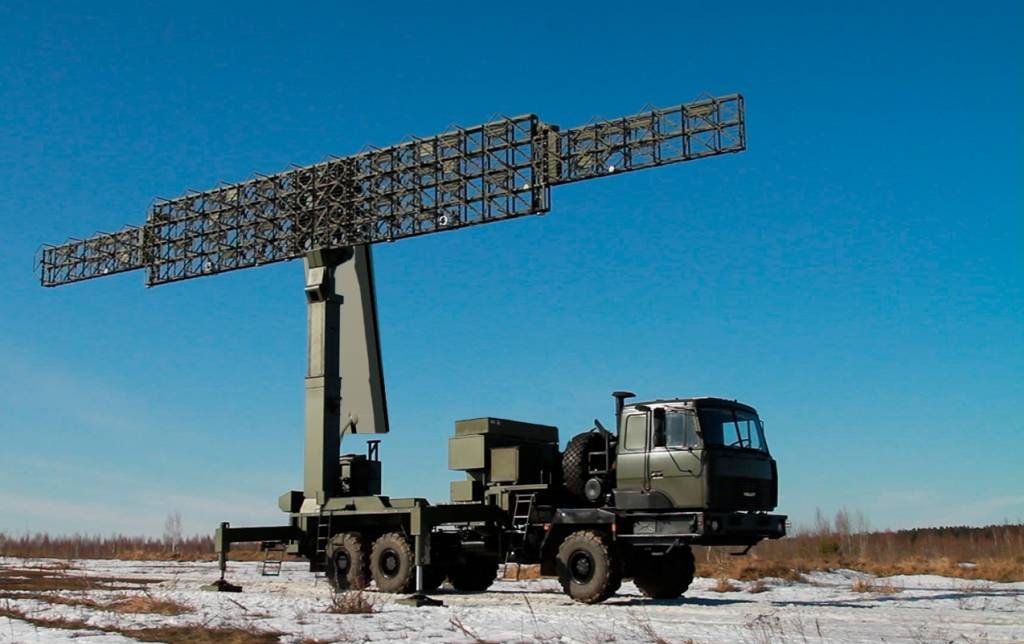
The Surya VHF Radar, developed by Alpha Design Technologies Limited (ADTL) in Bengaluru, represents a major leap in India’s air defense capabilities. Designed for the Indian Air Force (IAF), this indigenously built radar uses Very High Frequency (VHF) technology to detect stealth aircraft and low-observable targets, such as China’s J-20 fighters and Wing Loong drones. Its longer wavelengths counter radar-absorbing materials, enabling it to spot threats that evade conventional high-frequency radars.
Advanced Features and Capabilities
This mobile, solid-state 3D surveillance radar boasts a 400 km detection range for targets with a 2 m² radar cross-section and can track up to 100 targets simultaneously. With 360-degree coverage and a detection altitude of 15 km, it ensures comprehensive monitoring. The radar, mounted on two 6×6 trucks for mobility, incorporates gallium nitride (GaN) modules for superior signal processing and operates in both staring and rotation modes, achieving up to 10 rotations per minute.
Strategic Deployment and Impact
The first of six Surya radars was delivered to the IAF in March 2025 under a ₹200 crore contract, with remaining units expected soon. Showcased at Aero India 2025, it attracted global interest for potential exports. Integrated with systems like Akashteer, Akash, and QRSAM, the radar strengthens India’s multi-layered defense, proven effective during Operation Sindoor in April 2025, which repelled a large-scale aerial attack.
Indigenous Innovation and Debate
Developed without foreign technology transfers, the Surya radar aligns with India’s Atmanirbhar Bharat initiative for self-reliance. However, some reports suggest similarities with the Belarusian VOSTOK 3D radar, hinting at a possible joint venture with KB Radar Belarus. Despite this, ADTL maintains the system’s indigenous credentials, underscoring India’s growing defense innovation.
Shaping Regional Security
The Surya VHF Radar enhances India’s ability to counter stealth threats, reinforcing its strategic edge in a region marked by evolving aerial challenges, including Pakistan’s potential acquisition of Chinese J-35A stealth jets. This radar is a critical asset in safeguarding India’s airspace and asserting its technological prowess.
Discover more from CRISA
Subscribe to get the latest posts sent to your email.